

In This Science Exhibition
Darwinism
Understanding Evolution Through Natural Selection
Explore the ideas, open the doors, and run the experiment.
Begin the Journey →Team
Remika Khadka
Class 11 — Bio-Science
Aaditya Pandey
Class 10
Ritesh Panthee
Class 11 - Computer-Science
Charles Darwin proposed a powerful explanation.
Discover Darwin's Idea →The naturalist
What Darwin Proposed
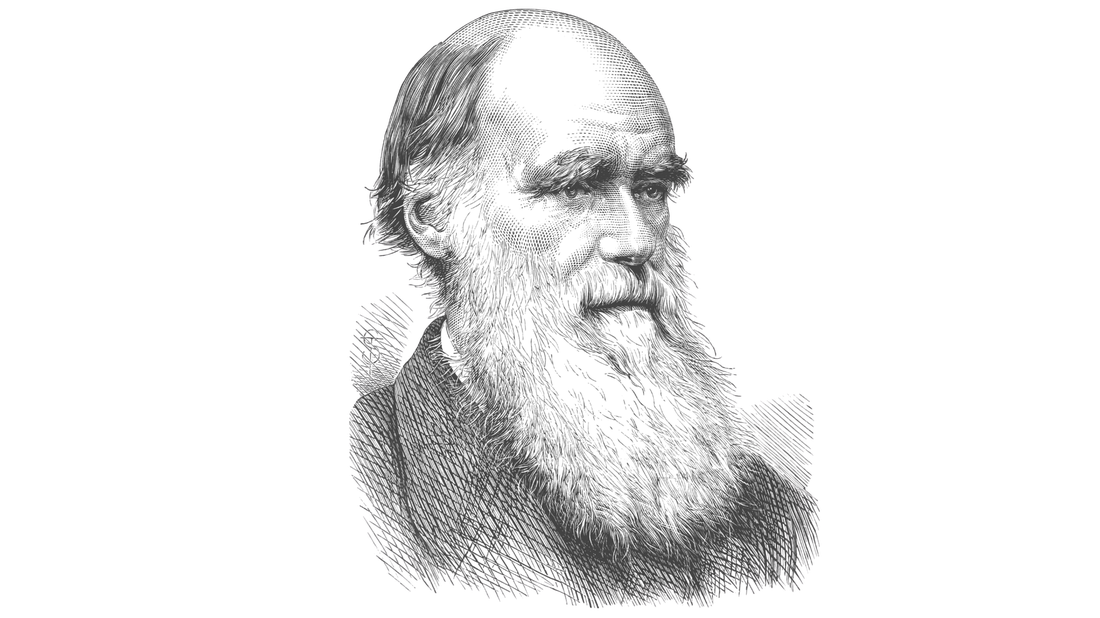
Charles Darwin was a naturalist who spent years observing the natural world — its plants, animals, and the striking differences between individuals within the same species.
From these careful observations came one of the most important ideas in the history of science: natural selection.
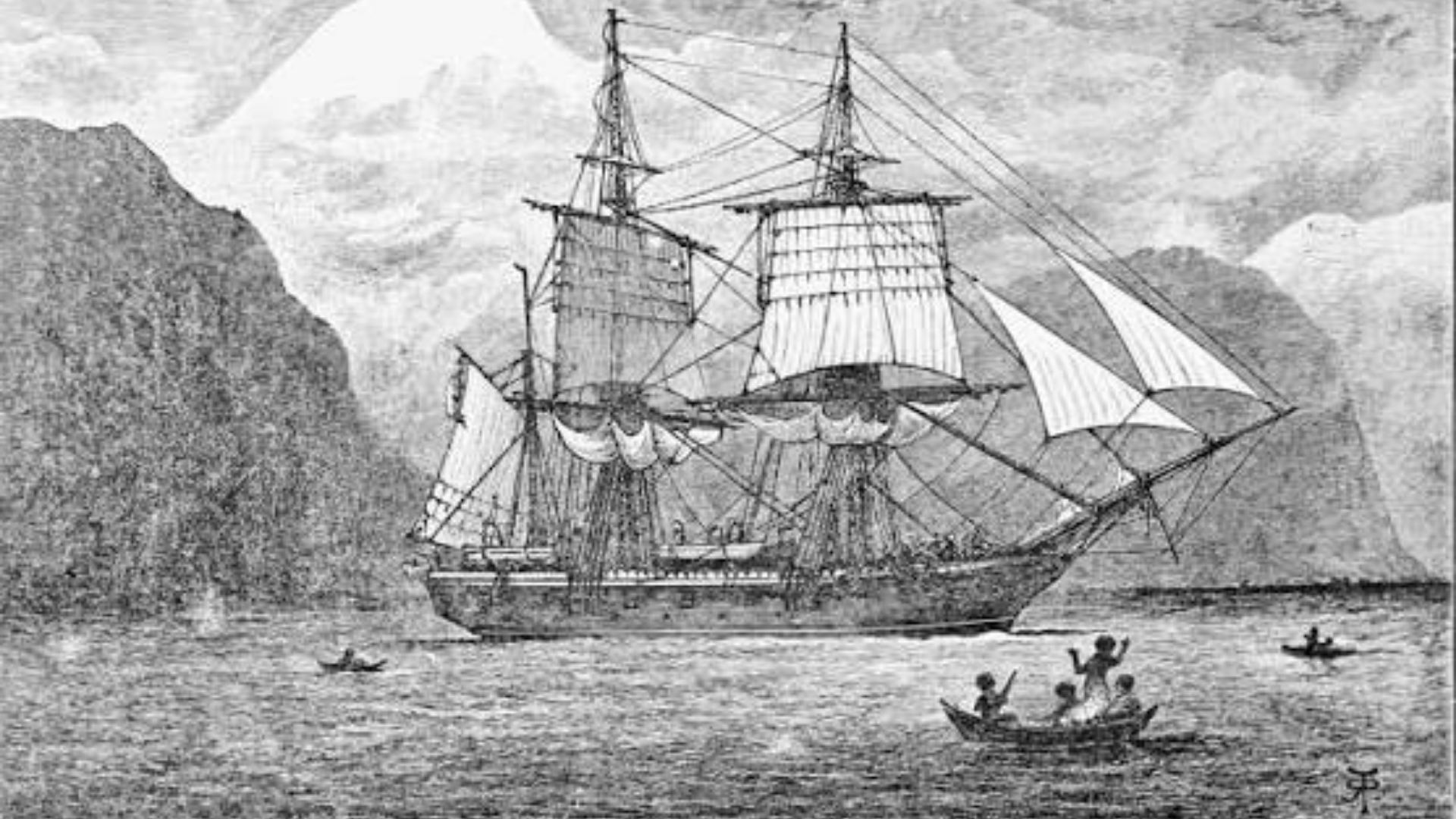
In 1831, a young Darwin boarded the HMS Beagle for a voyage that would take him around the world, giving him years to study living things in places few naturalists had ever visited.
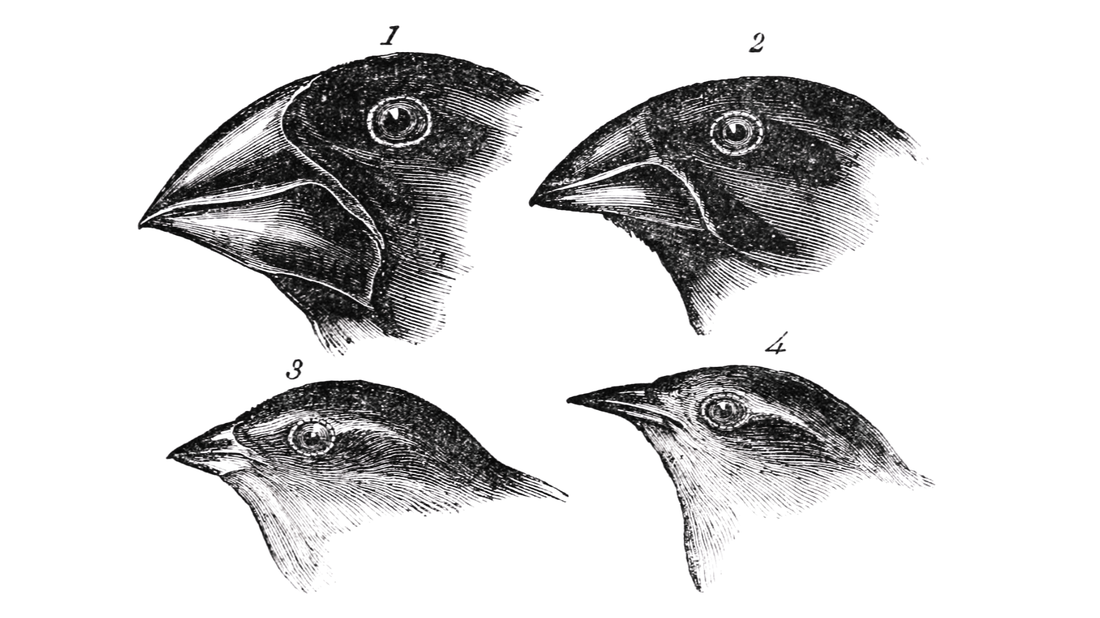
Among Darwin's most famous observations were finches whose beaks differed subtly from island to island — small variations that seemed perfectly suited to each island's available food.
Darwin's central idea, in plain terms
- Individuals within populations show variation.
- Organisms produce more offspring than can all survive.
- Resources are limited, leading to a struggle for existence.
- Individuals with advantageous heritable variations are more likely to survive and reproduce.
- Over generations, advantageous characteristics can become more common in populations.
- Long-term population changes can contribute to the origin of new species.
A note on "fitness": fitness does not mean physical strength. It means how well suited an individual is to surviving and reproducing in its particular environment — reproductive success, not brute force.
Darwinism can be understood through five fundamental facts.
Discover the Five Fundamentals →the framework
The Five Fundamentals
Five ideas that, together, explain how evolution by natural selection works.
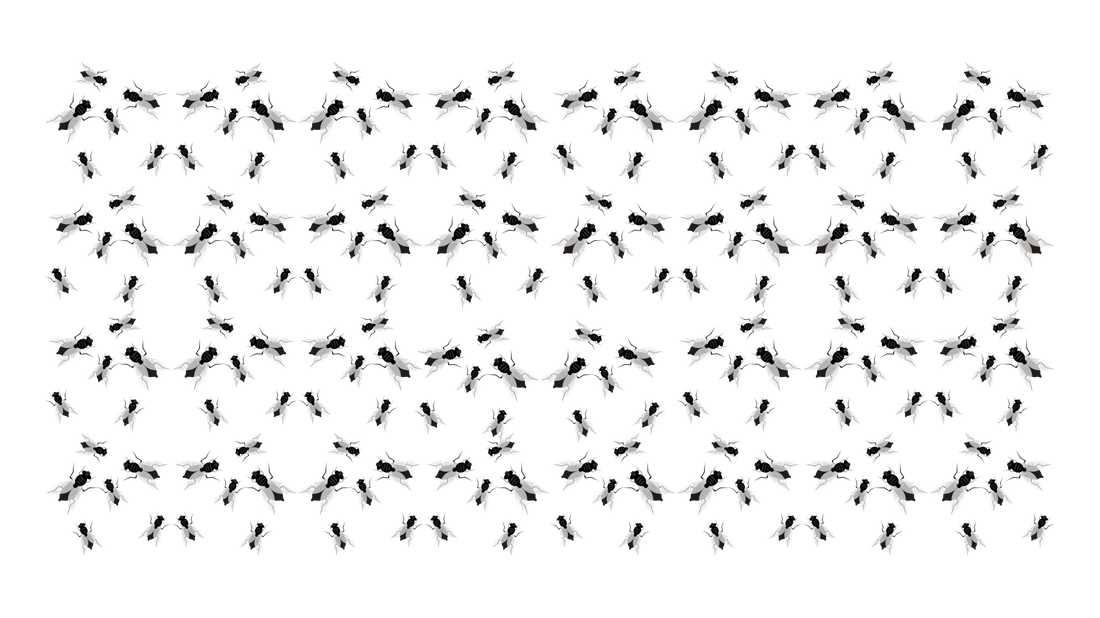
Enormous Fertility
or Over-production
Organisms can produce far more offspring than the environment can support.
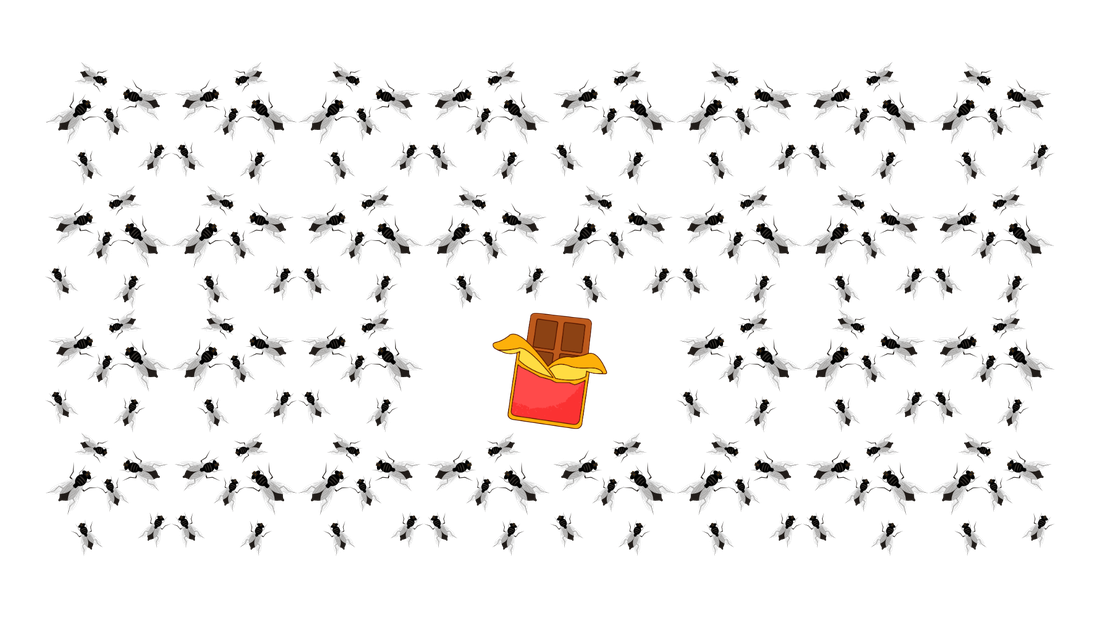
Struggle for Existence
Because resources are limited, organisms face competition and challenges to survive.
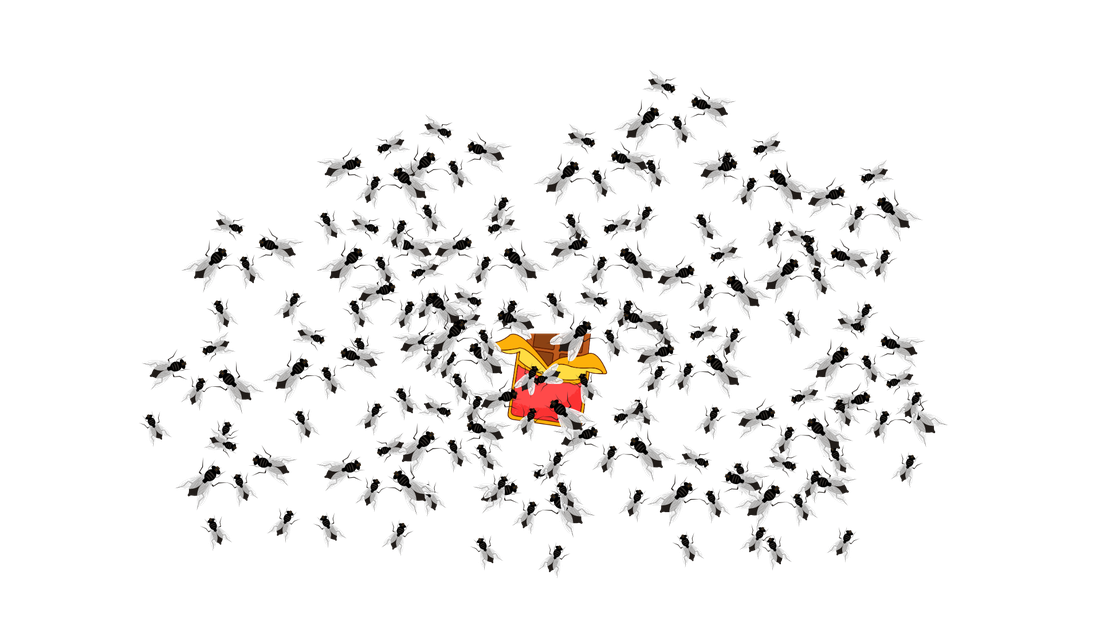
Natural Selection
or Survival of Fittest
Individuals with advantageous heritable traits tend to survive and reproduce more.
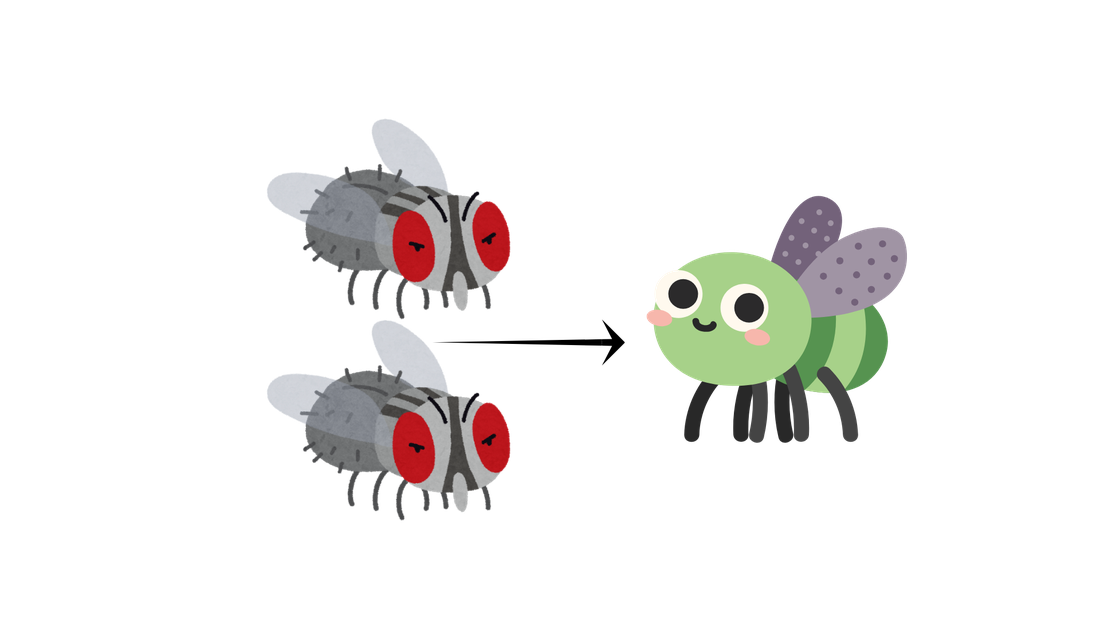
Variation and Heredity
Individuals differ, and some of these differences can be passed on to offspring.
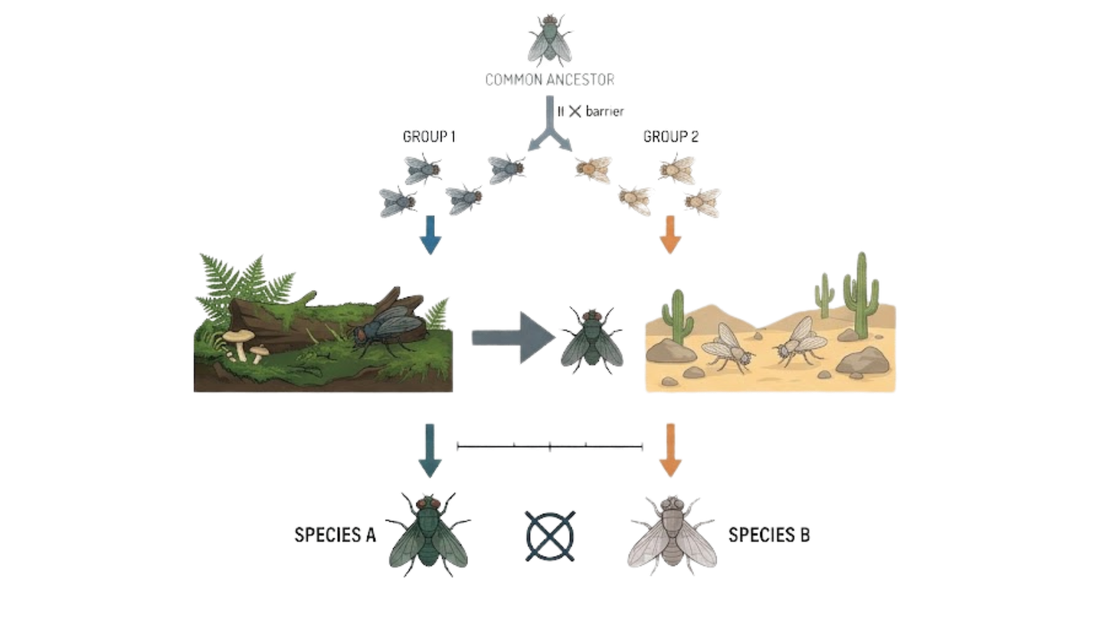
Origin of Species
Over long periods, accumulated change can give rise to entirely new species.
You've seen the five fundamentals.
Now open each door and explore them.
the laboratory entrance
The Five Doors
Each door holds one fundamental idea. Open them in any order.
0 of 5 fundamentals discovered
Over-production
Organisms have the ability to produce far more offspring than their environment can ever support.
This is a simplified educational visualization — not every organism reproduces at exactly this rate in nature.
Population
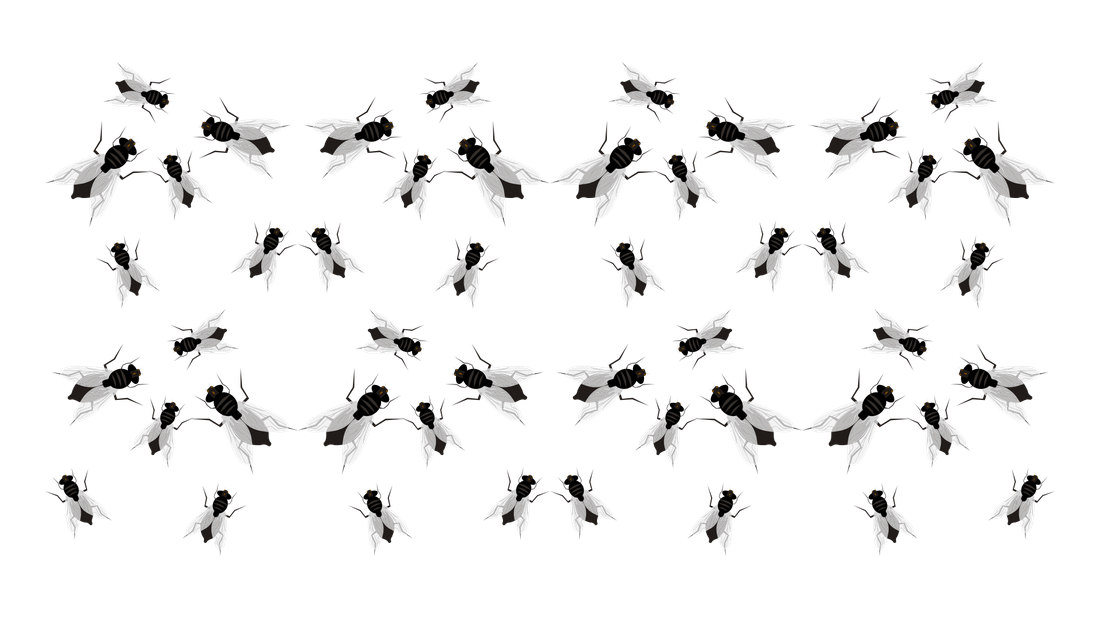
Can the environment provide enough food and space for all of them?
See What Happens →Struggle for Existence
Because resources such as food, space, and suitable conditions are limited, organisms face challenges and competition.
"Struggle for existence" doesn't always mean direct fighting — it includes any challenge to survival and reproduction, such as finding food, avoiding predators, or coping with weather.
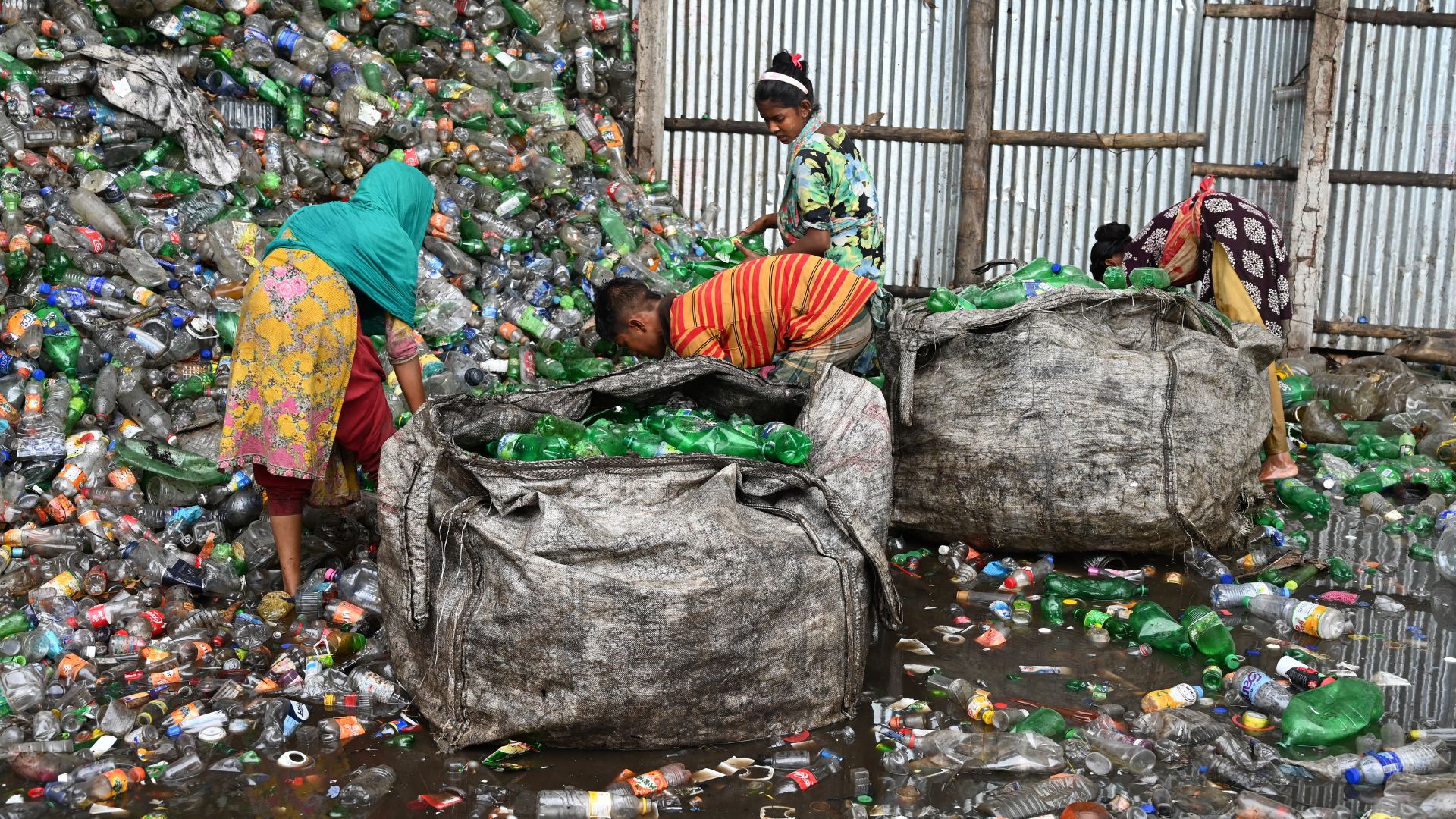
If there are more individuals than the environment can support, what happens next?
Find Out →Natural Selection
or Survival of Fittest
This is the heart of Darwin's idea: individuals with advantageous heritable characteristics are, on average, more likely to survive and reproduce in a particular environment.
Body colour is used here as a simplified visual trait for a simplified educational model — it does not represent the full complexity of real fruit-fly genetics.
Choose the environment
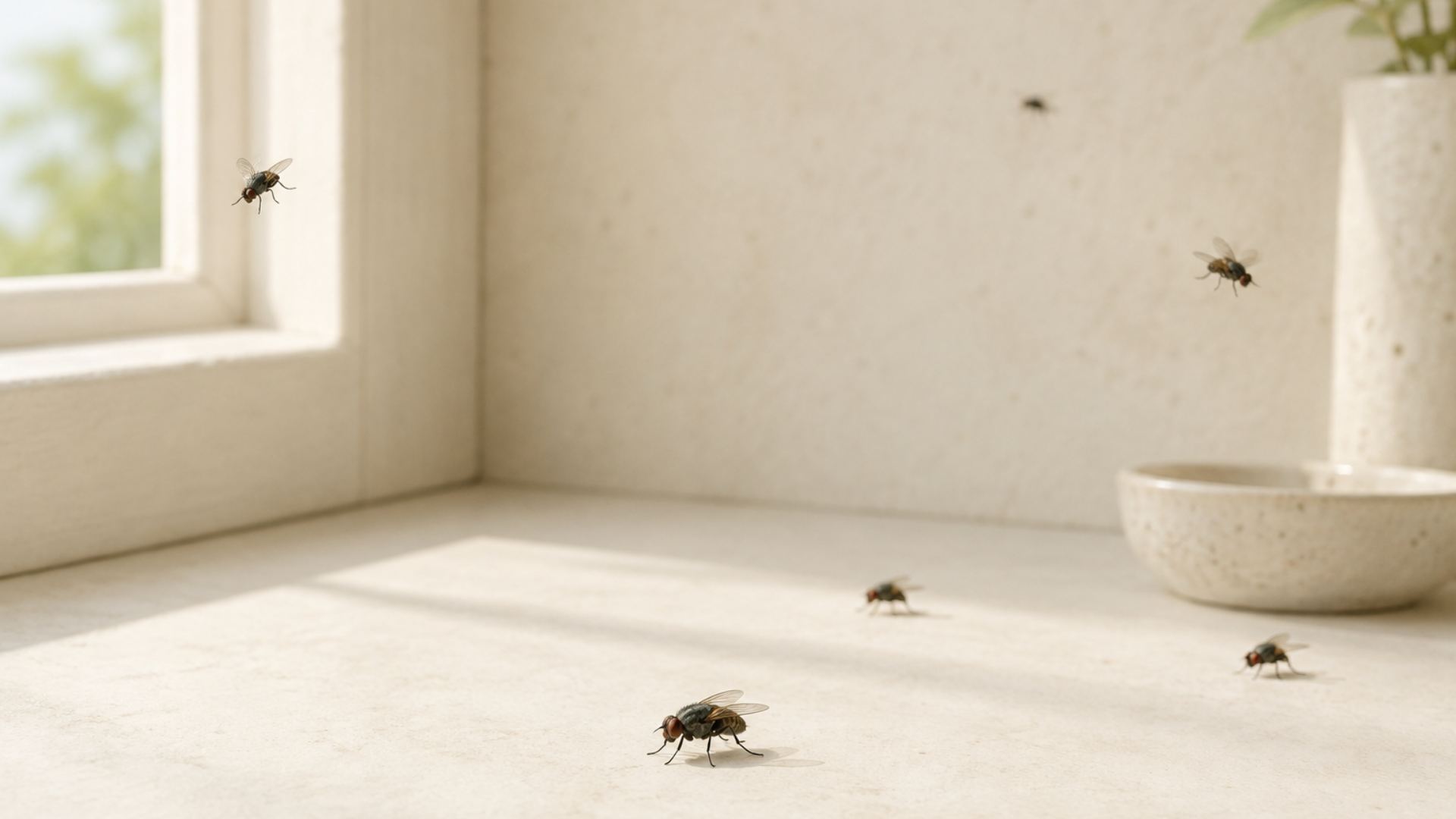
Notice which phenotype is easiest to spot — that visibility affects its chances.
Variation and Heredity
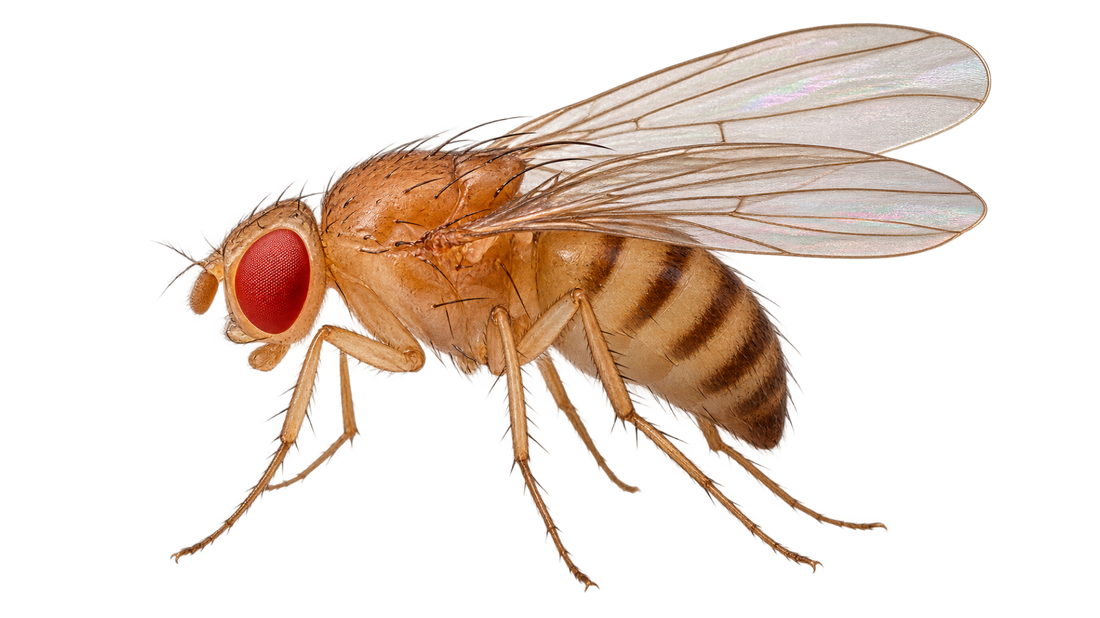
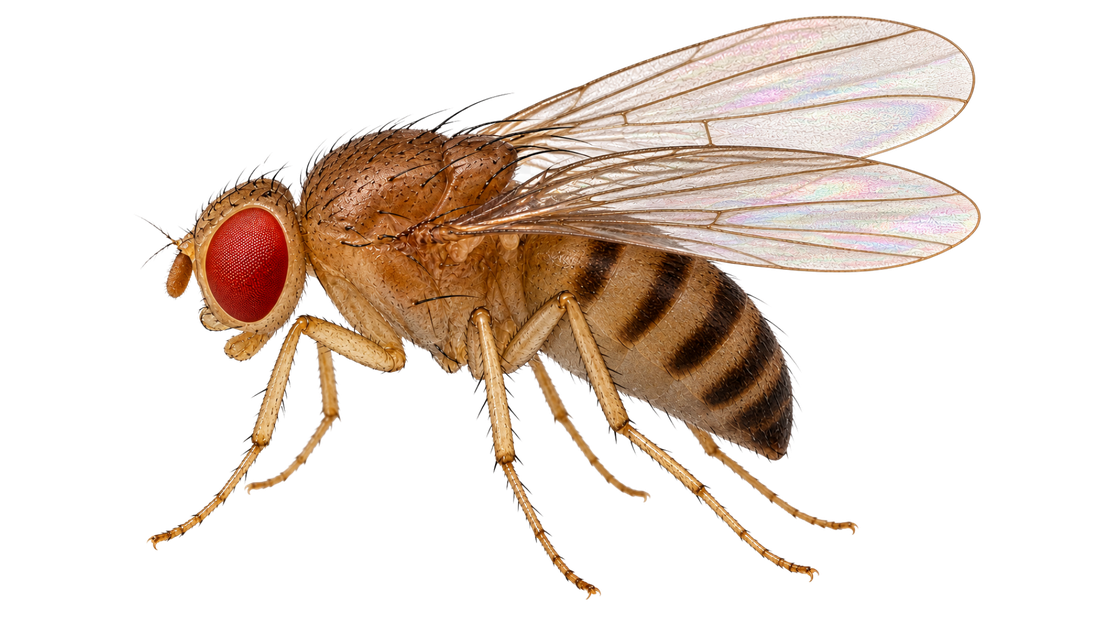
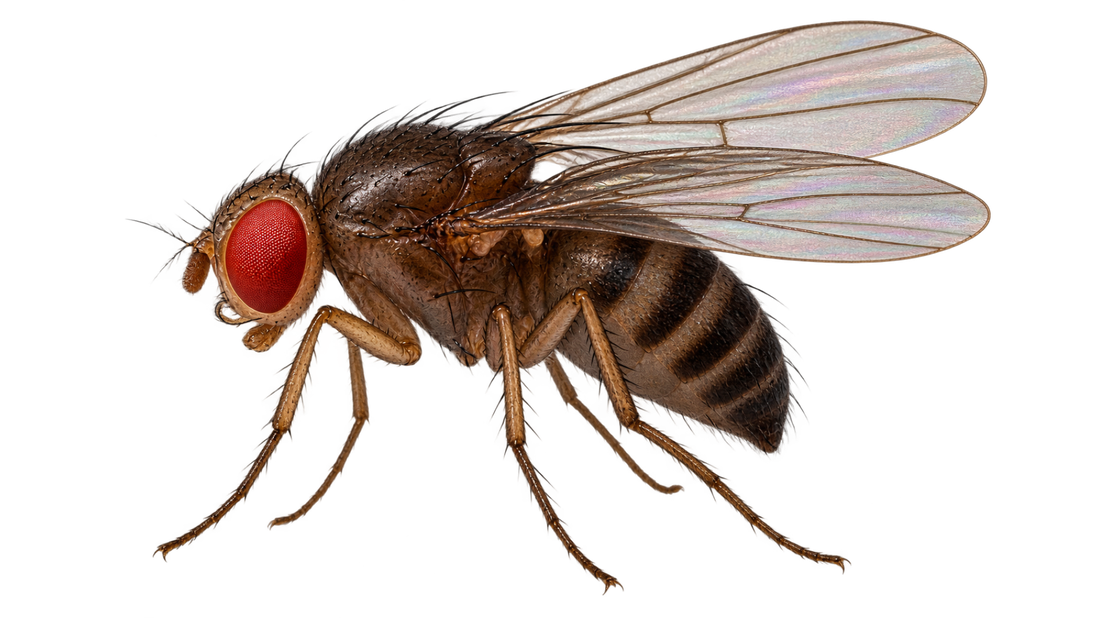
Variation: individuals in a population can differ in their characteristics.
Heredity: some characteristics can be inherited from parents.
Variation in a population
Heredity
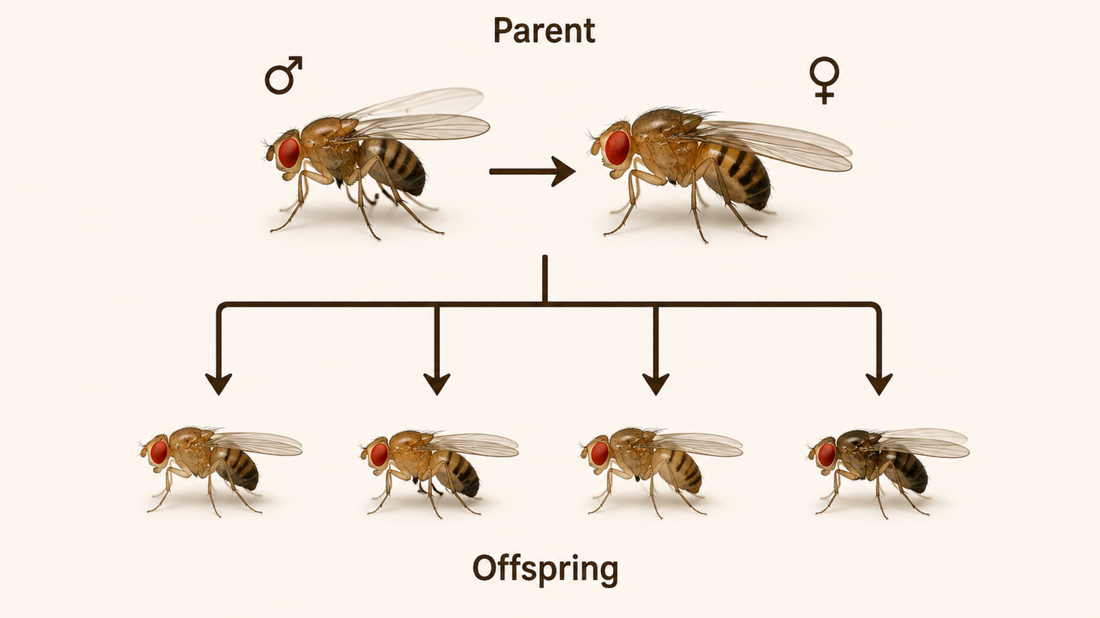
Offspring can resemble their parents, but they are not always exact copies — variation remains possible from one generation to the next.
Heredity is what allows an advantage to last: without it, a useful trait couldn't be passed on and accumulated across generations.
Origin of Species
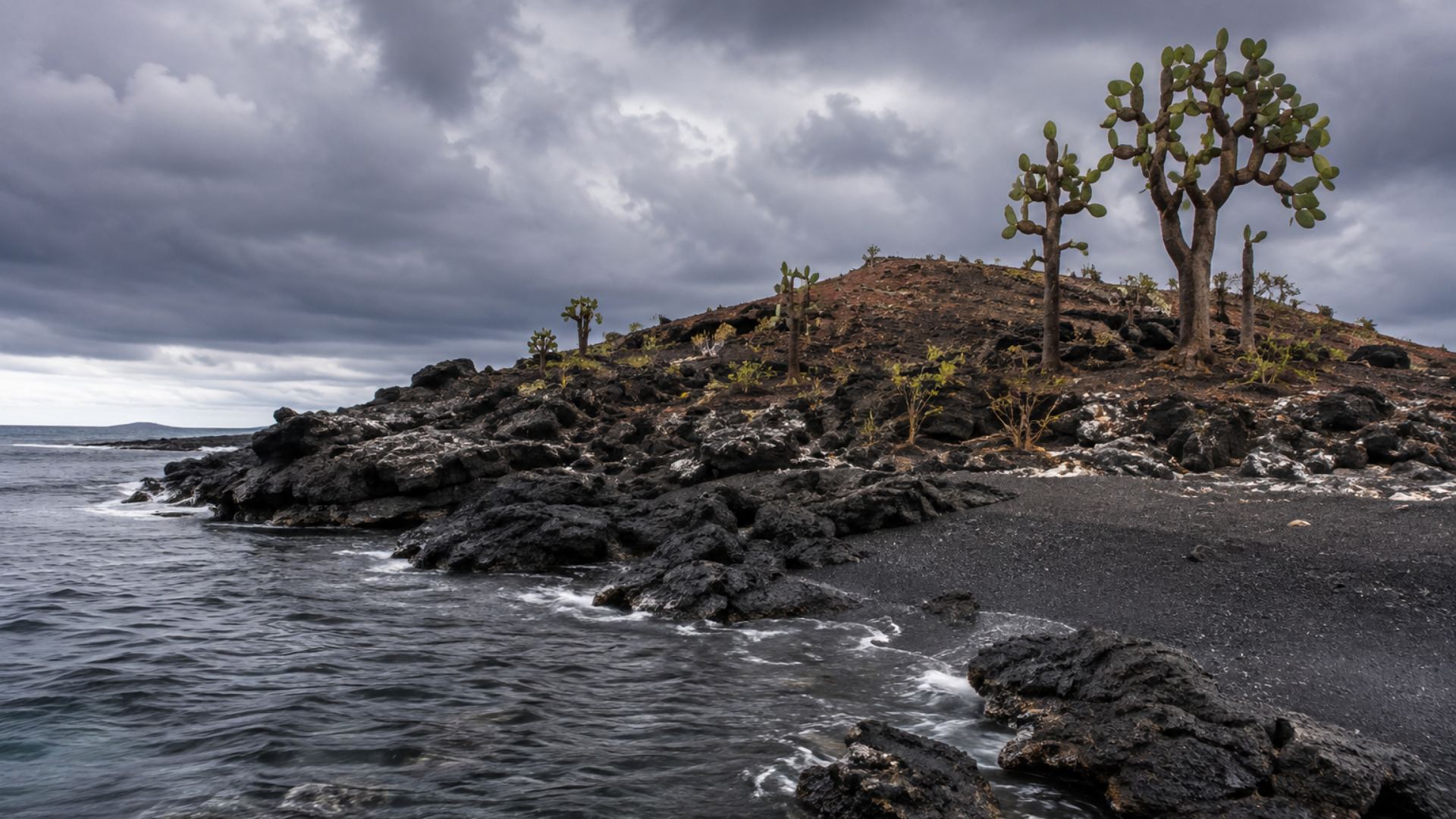
Over long periods, populations can become increasingly different. When populations become reproductively isolated and diverge sufficiently, speciation can occur.
A few generations in a simulation do not literally create a new species — this model illustrates the conceptual logic of how divergence can accumulate over long timescales.
One ancestral population, two islands

Island A
Generation 1 — similar population
Island B
Generation 1 — similar population
Do not assume different colour automatically means a new species — this is a conceptual model of accumulating divergence.
Following generations: the fly life cycle
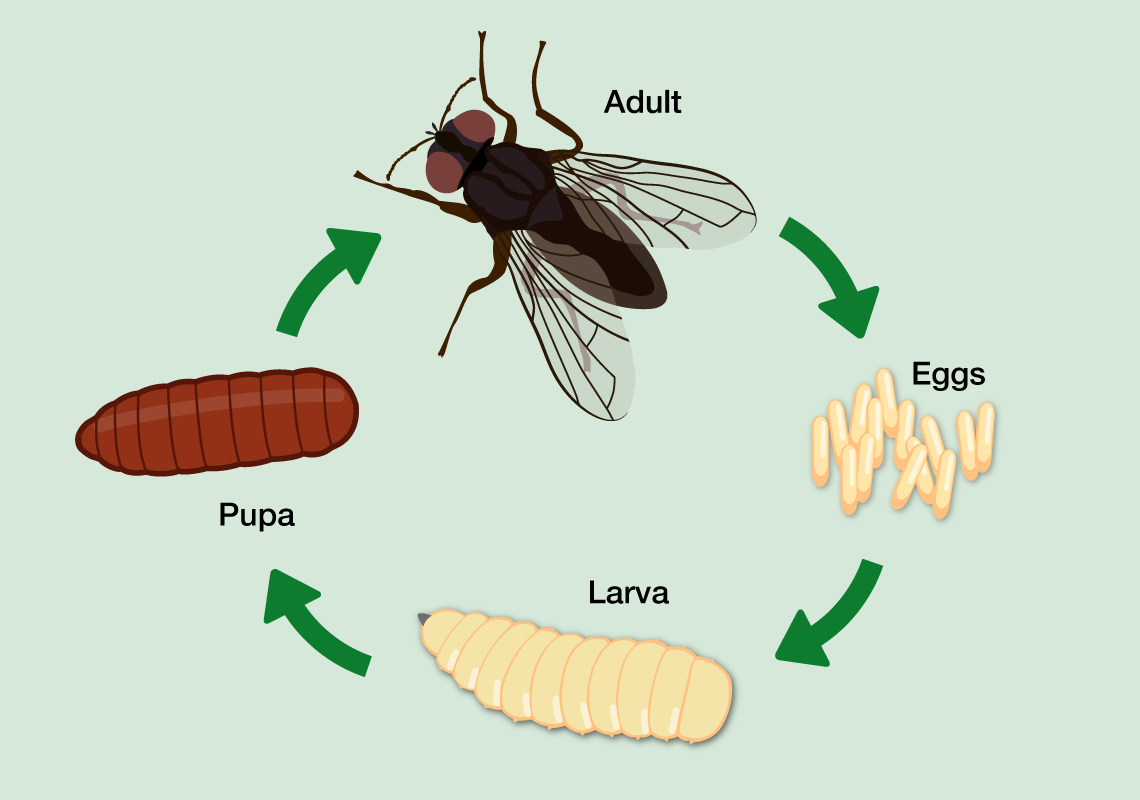
Egg → Larva → Pupa → Adult. Each generation gives inherited characteristics a chance to be passed on, so population-level change can be tracked over time.
You've seen the five fundamentals. Now let's put them together.
Back to the Doors Enter the Evolution Lab →You've learned the five fundamentals.
Now let's put them together.
Don't just read about natural selection.
RUN THE EXPERIMENT.
Enter the Evolution Lab →the evolution lab
Run the Experiment
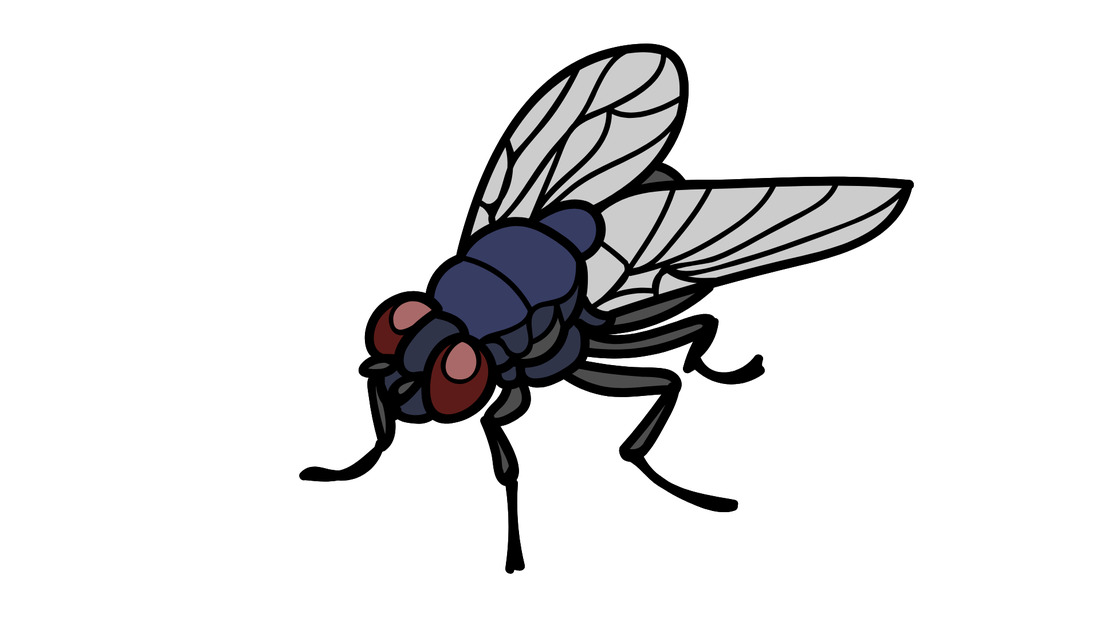
Educational simulation: the fly model simplifies complex biological processes to demonstrate the principles of natural selection. Body colour is a simplified heritable trait, not a full genetic model of real Drosophila.
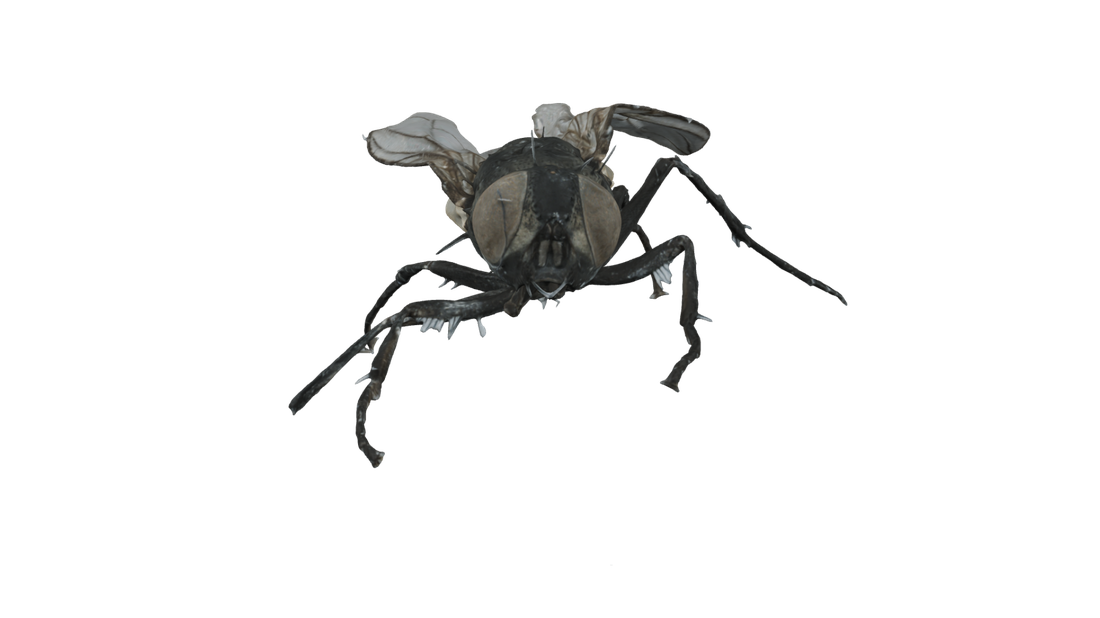
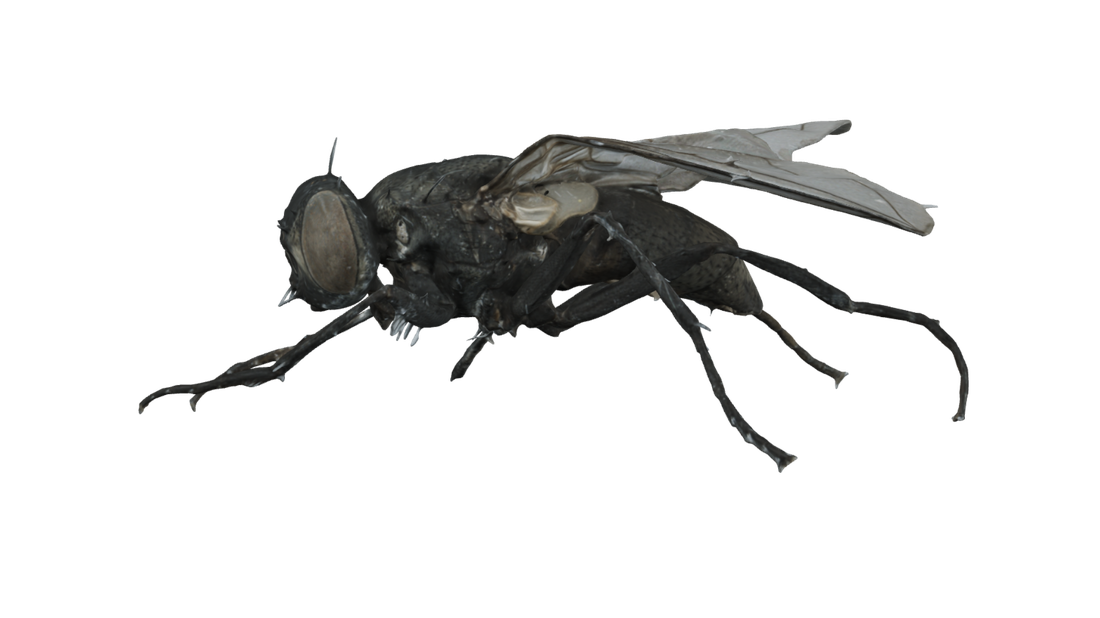
Meet the organism
Before you begin — make a prediction
The population starts with a mix of light, medium, and dark flies in a light-coloured environment. Which trait do you predict will become more common?
Controls
Environment
Run
Simulation Data
Your Prediction vs. the Result
Compare Environments
Run the lab in a light habitat, note the result, then switch to a dark habitat and run again to compare.
Experiment A
—
Not yet run
Experiment B
—
Not yet run
The environment does not directly create a trait. It changes which existing heritable variations are more advantageous.
bringing it together
Connect the Five Fundamentals
Click each idea to see what you actually observed in the lab.
Click a fundamental above to see what it means in light of the experiment.
test your intuition
The Evolution Challenge
New scenario, new prediction. Can you reason like a naturalist?
Scenario 1 of 3
the conclusion
Darwin's Challenge
Final Score
0 / 15
🧬 Evolution Explorer
Journey Complete
- You explored Darwinism.
- You discovered the five fundamentals.
- You experimented with variation, heredity, competition, and natural selection.
- You watched a population change across generations.
Darwinism is not just something to read.
It is something to explore.